
WASH – Water, Sanitation and Hygiene
Access to clean water and adequate sanitation is essential for people’s health and well‑being. It is a prerequisite for breaking the cycle of poverty, protecting ecosystems, and building sustainable and resilient societies.
At IVL, the WASH group (Water, Sanitation and Hygiene) works with water governance to ensure access to water and sanitation services—globally and in the long term. The group became part of IVL in 2025, after previously being part of the Stockholm International Water Institute (SIWI). Today, WASH is an integrated part of IVL’s international work.

Focus: clean water and sanitation for all
In line with the UN Sustainable Development Goals, IVL’s WASH group works to ensure that no one is left behind. Access to clean water and sanitation is one of the most critical sustainability challenges of our time – especially in a world where climate change is increasingly affecting people’s living conditions. Our work spans households, schools, healthcare facilities and public spaces, where the need for sustainable and long-term solutions continues to grow.
Through our partnership with UNICEF, you as a team member contribute to tangible improvements across many parts of the world – from developing methods to strengthening countries’ capacity to build resilient WASH systems for the future.


A global team with local presence
The WASH group is an international and multidisciplinary team with colleagues based in Stockholm, Bogotá, Amman and Mumbai, as well as team members working remotely from locations such as France and Spain. In total, the group consists of just under 20 people – a small team with a truly global reach.
This geographical diversity is a core part of how we work. Our team collaborates closely across borders and time zones in joint projects, often in small and flexible constellations where different areas of expertise complement one another. This enables us to combine global expertise with local insight – and to work closely with the contexts where the challenges are found.

Strong regional presence – one global team
Our operations are organised with a strong regional presence:
Latin America and the Caribbean (LAC), based in Bogotá.
West Asia and North Africa (WANA), based in Amman.
Europe, based in Stockholm, with colleagues in France and Spain.
At the same time, WASH operates as one integrated global team, with continuous knowledge sharing and collaboration across regions. This distributed structure creates strong conditions for learning, joint method development, and a way of working that is both international and context-driven – with a clear focus on turning knowledge into practical impact.


Job Openings
No matching jobs
Connect with us to stay up-to-date on new openings.
-
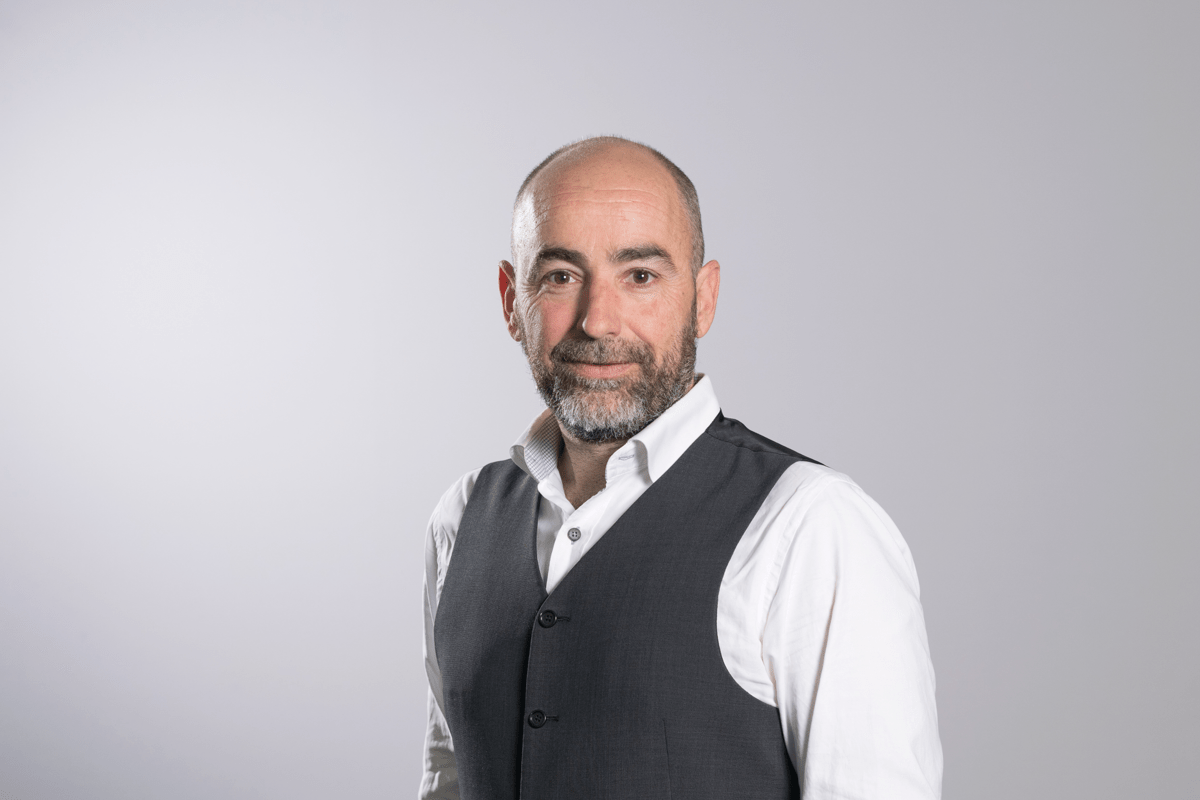
Access to clean water and sanitation is vital to human health and well-being. Our aim is resilient and sustainable water and sanitation services for all.”
Alejandro Jimenez
Head of WASH Governance Group


